
Technology
How a signal becomes a field priority
The FARMX TREE chain combines sensing at the trunk, field communication, remote analysis and an end-user application. The output supports human review and field inspection.
The monitoring chain
- 01Palm
Every palm becomes individually monitored
Each palm is identified within the FARMX TREE system, creating the foundation for individual tree monitoring across your site.
- 02Sensor
Monitoring starts at the tree
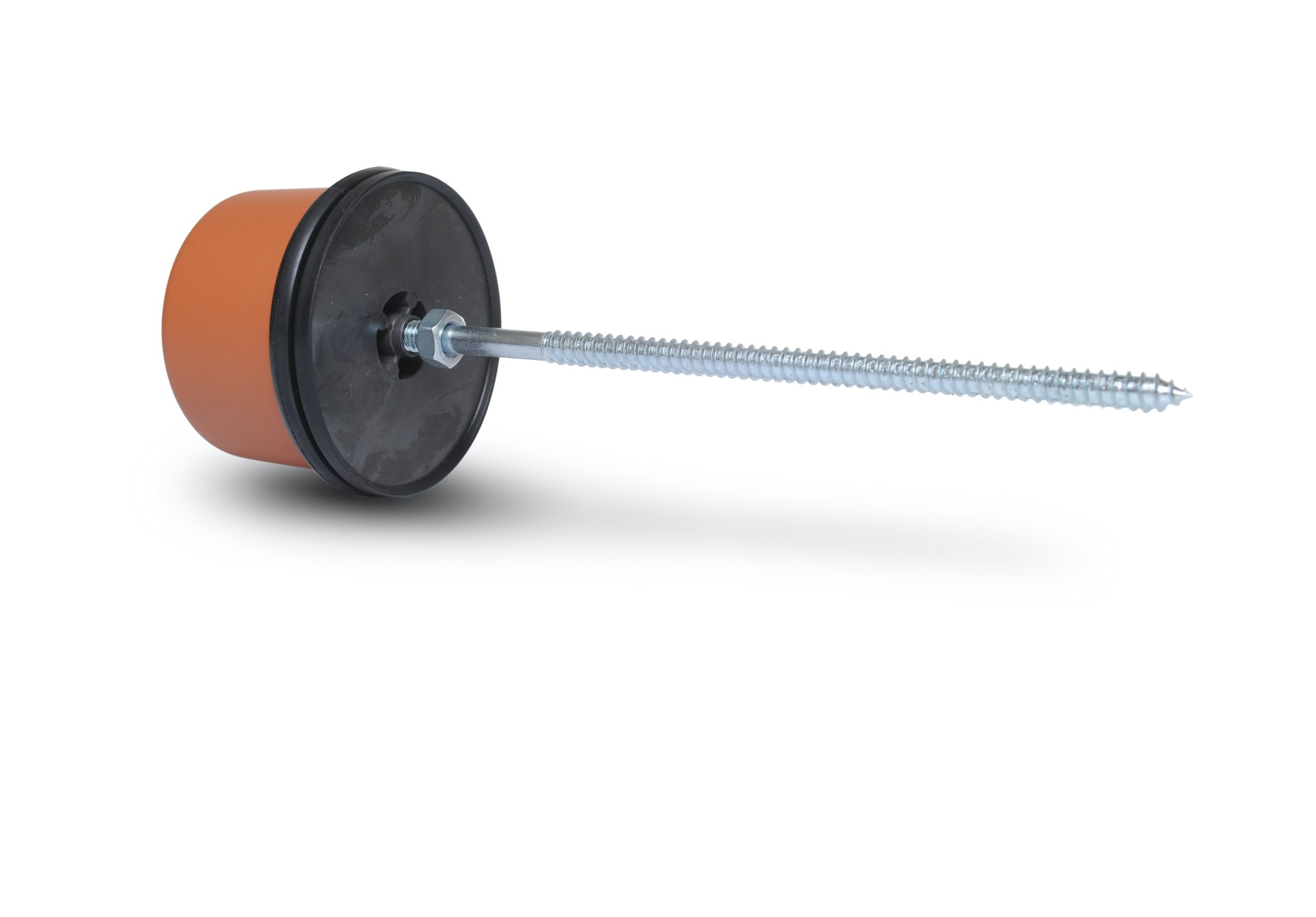
A dedicated seismic sensor is installed directly on the trunk, capturing signals from within the palm associated with potential pest activity.
- 03Gateway
Connecting the field
The gateway connects sensors across the site and transfers information from the field into the FARMX TREE digital environment.
- 04Platform
Turn field data into visibility
Sensor information is presented through the FARMX TREE monitoring environment, giving teams a clear overview of monitored palms and highlighting trees that may require attention.
- 05Alert & action
Focus attention where it matters
When potential activity is identified, the relevant palm can be prioritised for closer inspection — helping field teams direct their time and resources where they are needed most.
- 01
Trunk sensor
Installed at the palm and registered to that specific tree, so monitoring input remains associated with the tree. The product photograph shows the FARMX TREE sensor form published by the manufacturer.
- 02
Field gateway
Collects readings from the sensors in range and forwards them. Gateway count and placement are planned from the site layout.
- 03
Monitoring application
Presents monitoring information in the end-user application. Available views and record functions must be confirmed for the software version offered.
- 04
Alerts and follow-up
Analysis may flag activity associated with a monitored tree, giving the responsible team a reason to review and inspect it.
The pest
Detect threats before they become visible
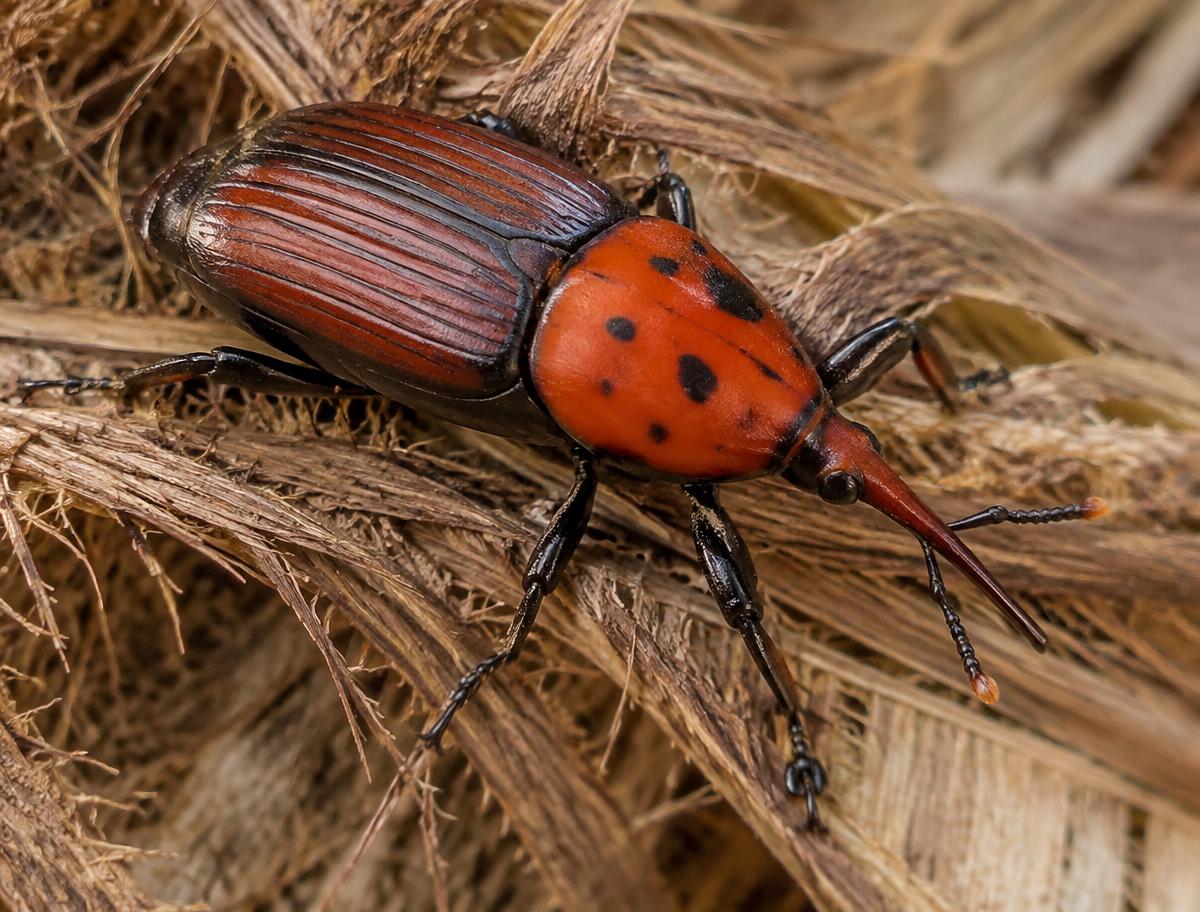
Red palm weevil and other internal pests can remain hidden inside a palm for extended periods, allowing damage to develop before clear external symptoms appear.
FARMX TREE brings monitoring inside the tree. Using advanced seismic sensing technology, the system is designed to detect and analyse movement associated with pest activity within palm tissue — providing an additional layer of insight beyond traditional visual inspection.
By combining continuous sensor-based monitoring with professional agronomic assessment, FARMX TREE can support earlier identification of potential pest activity and help teams focus inspections where attention may be needed most.
Species relevance for a specific site is assessed together with your agronomist.
Turn alerts into targeted action
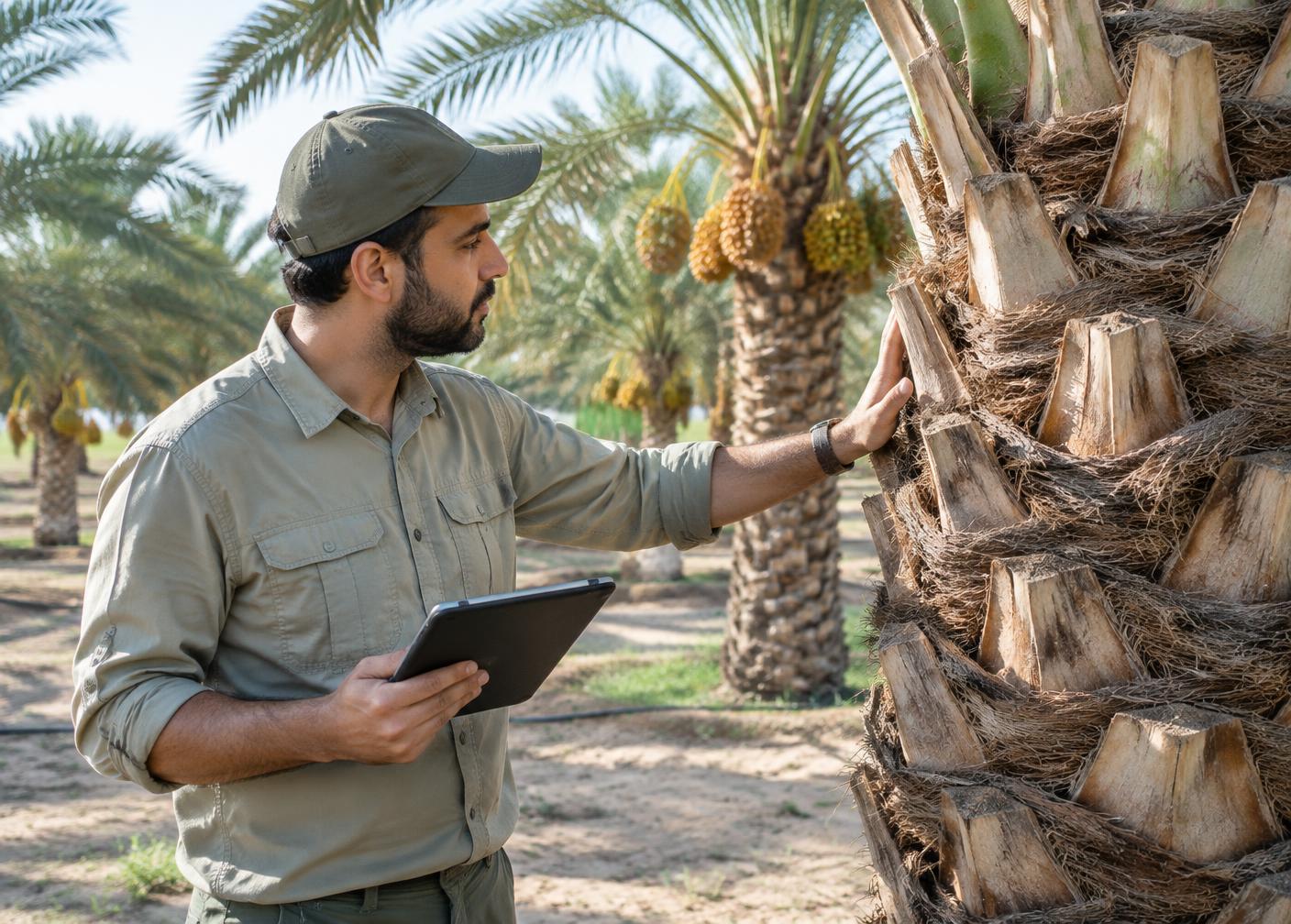
FARMX TREE is designed to help monitoring teams identify palms that may require closer attention. When the system detects activity that triggers an alert, the affected palm can be prioritised for inspection and further agronomic assessment.
Alerts should be used as an early-warning and decision-support tool alongside professional field inspection. They help teams focus their resources on the palms that may need attention, rather than relying solely on routine visual inspection across an entire plantation or site.
System configuration, sensor placement, connectivity and coverage are adapted to the individual project and site conditions.